Shipping Roofing Materials Internationally from China
국제 배송을 위해 상품을 보낼 수 있도록 중국의 공급 업체에 중국 창고 주소를 제공하십시오.
About Buying Roofing Materials from China
Buying Roofing Materials from China
China is one of the world's largest manufacturing hubs for roofing materials and roofing products, supplying residential, commercial, industrial and agricultural construction markets around the world.
International contractors, property developers, construction companies, roofing distributors, hardware wholesalers, architects, builders and retailers source roofing products from China because Chinese manufacturers can offer a wide range of products, competitive manufacturing costs, large production capacity and extensive customization options.
Depending on the supplier, buyers can source:
Metal roofing sheets
Color-coated steel roofing
Aluminum roofing
Standing seam roofing
Corrugated roofing sheets
Roof panels
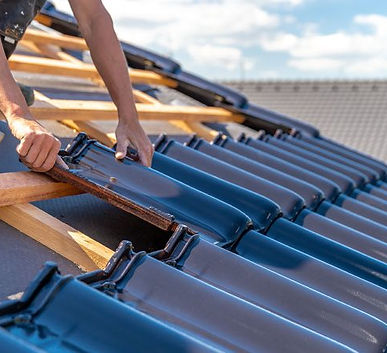
Roofing tiles
Asphalt shingles
PVC roofing sheets
Polycarbonate roofing
FRP roofing panels
Insulated roofing panels
Sandwich panels
Roof insulation
Waterproofing materials
Roof membranes
Roof flashing
Gutters and downpipes
Ridge caps
Roof vents
Skylights
Roof hardware
Fasteners
Solar mounting components
However, buying roofing materials from China requires considerably more attention than simply finding a low factory price.
Roofing materials must withstand rain, wind, sunlight, temperature changes, moisture, corrosion and, depending on the application, snow, hail or other environmental conditions.
For this reason, buyers need to evaluate not only price but also:
Material specifications
Thickness
Coating
Structural performance
Corrosion resistance
Weather resistance
Fire performance
Waterproofing
Insulation
Local building regulations
Packaging
Shipping
Installation requirements
This guide explains everything you need to know about buying roofing materials from China, from finding manufacturers and comparing products to quality inspection, customs, international shipping and calculating the true landed cost.
Why Buy Roofing Materials from China?
China has developed a large and highly specialized roofing-material manufacturing industry.
There are several reasons international buyers source roofing products from Chinese suppliers.
Competitive Prices
Large-scale manufacturing allows Chinese factories to produce many roofing products at competitive prices.
This can be particularly attractive for:
Contractors
Roofing companies
Distributors
Construction-material wholesalers
Property developers
Agricultural building suppliers
Industrial construction companies
However, the cheapest factory quotation does not necessarily represent the lowest overall cost.
The correct comparison is:
Product cost + packaging + inland transportation + international freight + customs duties + import taxes + destination charges + local delivery.
Wide Range of Roofing Products
China can supply roofing materials for almost every type of building.
For example:
Residential Roofing
Metal roofing
Roofing tiles
Asphalt shingles
PVC roofing
Polycarbonate roofing
Roof insulation
Commercial Roofing
Standing seam roofing
Metal panels
Insulated panels
Waterproofing membranes
Roof drainage systems
Industrial Roofing
Steel roofing
Sandwich panels
Insulated roofing systems
Corrugated sheets
Structural roof components
Agricultural Roofing
Corrugated metal
PVC sheets
FRP panels
Polycarbonate roofing
Insulated panels
Custom Roofing Materials from China
One of the major advantages of Chinese manufacturing is customization.
Depending on the product, manufacturers may offer:
Custom lengths
Custom widths
Thickness options
Colors
Coatings
Profiles
Embossing
Branding
Packaging
Special dimensions
This is particularly useful for construction projects where standard retail products do not meet the required specifications.
Types of Roofing Materials You Can Buy from China
There are many different roofing products available from Chinese manufacturers.
The best choice depends on:
Building type
Climate
Roof design
Budget
Expected lifespan
Local building regulations
Installation method
Maintenance requirements
Buying Metal Roofing from China
Metal roofing is one of the most commonly sourced roofing products from China.
Common materials include:
Galvanized steel
Galvalume steel
Pre-painted steel
Aluminum
Stainless steel
Metal roofing can be manufactured in many profiles and finishes.
Popular applications include:
Houses
Warehouses
Factories
Agricultural buildings
Garages
Commercial buildings
Buying Corrugated Roofing Sheets from China
Corrugated roofing sheets have a long history of use in residential, agricultural and industrial construction.
They may be manufactured from:
Steel
Aluminum
PVC
FRP
Other composite materials
When buying corrugated roofing sheets, specify:
Overall thickness
Profile
Sheet width
Effective coverage width
Length
Coating
Material grade
A common mistake is to compare sheet width without considering effective coverage width after overlapping.
Buying Color-Coated Steel Roofing from China
Color-coated steel roofing is widely used because it combines structural strength with a decorative finish.
Common finishes include:
White
Black
Gray
Blue
Green
Red
Brown
Custom colors
The coating is important because it affects:
Appearance
Corrosion resistance
UV resistance
Expected service life
Ask suppliers to specify the coating system rather than simply stating that the product is "color coated."
Buying Galvanized Roofing Sheets from China
Galvanized steel is coated with zinc to improve corrosion resistance.
When comparing galvanized roofing, check:
Steel grade
Steel thickness
Zinc coating
Surface finish
Tensile strength
Yield strength
Profile
Two products with the same dimensions can have significantly different performance if their base steel or zinc coating differs.
Buying Galvalume Roofing from China
Galvalume-coated steel uses an aluminum-zinc coating.
It is commonly used in roofing and building applications.
When sourcing it, confirm:
Base steel grade
Steel thickness
Coating specification
Coating weight
Surface finish
Paint system if pre-painted
Buying Standing Seam Roofing from China
Standing seam roofing systems are commonly used in modern residential, commercial and industrial buildings.
Advantages can include:
Clean appearance
Long service life
Weather resistance
Concealed fastening
Modern architectural appearance
However, installation quality is extremely important.
Ask the manufacturer for:
Panel dimensions
Seam configuration
Clip system
Fasteners
Installation instructions
Recommended roof pitch
Buying Roofing Tiles from China
Chinese manufacturers produce many types of roofing tiles.
These may include:
Ceramic roofing tiles
Clay-style tiles
Concrete-style tiles
Metal roofing tiles
PVC roofing tiles
Composite roofing tiles
Stone-coated metal roofing tiles
Buyers should evaluate both appearance and technical performance.
Buying Stone-Coated Metal Roofing from China
Stone-coated metal roofing combines a metal substrate with a protective and decorative granular surface.
It is popular for residential and architectural applications.
When sourcing stone-coated roofing, check:
Base metal
Thickness
Coating
Stone granule adhesion
Surface finish
Corrosion resistance
Warranty
Buying Asphalt Shingles from China
Asphalt shingles can be sourced from Chinese manufacturers for residential and other applications.
Potential specifications include:
Shingle type
Fiberglass reinforcement
Asphalt composition
Granule type
Weight
Dimensions
Color
Wind resistance
Fire classification
Always verify whether the product complies with the standards required in your destination market.
Buying PVC Roofing Sheets from China
PVC roofing is lightweight and can be suitable for certain agricultural, industrial and commercial applications.
Potential advantages include:
Lightweight construction
Corrosion resistance
Easy handling
Color options
Lower maintenance
Check:
PVC composition
Thickness
UV resistance
Temperature resistance
Fire performance
Impact resistance
Buying Polycarbonate Roofing from China
Polycarbonate sheets are commonly used where natural light is desired.
Applications include:
Carports
Greenhouses
Commercial buildings
Canopies
Walkways
Industrial structures
Common types include:
Solid polycarbonate
Multiwall polycarbonate
Corrugated polycarbonate
Important specifications include:
Thickness
Light transmission
UV protection
Profile
Color
Impact resistance
Temperature range
Buying FRP Roofing Panels from China
Fiberglass-reinforced plastic roofing can be used in:
Industrial buildings
Agricultural buildings
Warehouses
Greenhouses
FRP panels can offer corrosion resistance and are sometimes used in environments where metal roofing may be exposed to aggressive conditions.
Buying Insulated Roofing Panels from China
Insulated roofing panels can combine roofing and thermal insulation into one system.
Common core materials include:
EPS
Rock wool
PIR
PUR
They are frequently used for:
Warehouses
Factories
Cold-storage buildings
Commercial buildings
Agricultural structures
Buying Sandwich Panels from China
Sandwich panels consist of two outer layers surrounding an insulating core.
When purchasing sandwich roof panels, specify:
Panel thickness
Core material
Core density
Outer sheet thickness
Coating
Panel dimensions
Fire performance
Thermal performance
Do not compare sandwich panels solely by overall thickness.
The core material and density can significantly affect performance.
Roofing Insulation from China
Chinese manufacturers supply different types of roof insulation.
Common products include:
Rock wool
Glass wool
EPS
XPS
PIR
PUR insulation boards
Depending on the market and application, buyers may need to verify:
Thermal conductivity
Density
Fire performance
Moisture resistance
Thickness
Dimensional stability
Buying Roof Waterproofing Materials from China
Waterproofing products can include:
Roofing membranes
Waterproof sheets
Liquid waterproofing
Bituminous membranes
PVC membranes
TPO membranes
EPDM-related products
Waterproofing is a performance-critical component of a roof.
Ask for:
Material composition
Thickness
Tensile strength
Elongation
Weather resistance
Temperature resistance
Application instructions
Test reports
Buying Roofing Accessories from China
Roofing systems require more than the main roofing material.
You may also need:
Ridge caps
Flashing
Eaves trim
Valley components
Gutters
Downpipes
Roof vents
Skylights
Fasteners
Brackets
Sealing materials
Insulation
Underlayment
Whenever possible, ensure that accessories are compatible with the roofing system you are purchasing.
Buying Gutters and Downpipes from China
Chinese manufacturers produce gutters and drainage systems from:
Aluminum
PVC
Steel
Stainless steel
Other materials
Specify:
Dimensions
Material
Thickness
Color
Coating
Connection system
Brackets
Outlet configuration
Buying Roofing Fasteners from China
Fasteners may include:
Roofing screws
Self-drilling screws
Bolts
Washers
Clips
Anchors
Important specifications include:
Material
Diameter
Length
Thread
Head type
Coating
Corrosion resistance
For roofing applications, washer quality can be just as important as screw quality because poor sealing can contribute to water penetration.
Finding Roofing Material Manufacturers in China
There are many Chinese roofing suppliers, but choosing the right factory requires more than browsing product photographs.
Evaluate:
Manufacturing experience
Factory size
Production equipment
Export markets
Product range
Quality control
Certifications
Testing facilities
Production capacity
Packaging
Lead times
After-sales support
For large construction projects, factory verification is highly recommended.
Roofing Manufacturer vs Trading Company
You may encounter both manufacturers and trading companies.
Manufacturers
A factory may be better suited to:
Large orders
Custom profiles
Custom colors
OEM production
Technical specifications
Long-term supply agreements
Trading Companies
Trading companies can be useful when:
You need multiple roofing products
You want to source from several factories
You want one company to coordinate different suppliers
The important consideration is whether the supplier can consistently provide the required product quality and documentation.
Questions to Ask Chinese Roofing Suppliers
Before placing an order, ask:
Are you a manufacturer or trading company?
How long have you produced this roofing product?
Which countries do you export to?
What is the exact base material?
What is the material grade?
What is the actual thickness?
What is the coating specification?
What is the coating thickness or weight?
What are the exact dimensions?
What is the effective coverage width?
What is the expected service life?
What standards does the product meet?
What certifications are available?
Can you provide test reports?
What is the MOQ?
What colors are available?
Can dimensions be customized?
Can the product be branded?
What is the production lead time?
How is the product packaged?
What are the packed dimensions?
What is the gross weight?
What warranty is provided?
Can you provide installation instructions?
Understanding Roofing Material Specifications
One of the most important aspects of importing roofing materials is making sure that the quotation from each supplier refers to an equivalent product.
For example, don't simply compare:
"0.5 mm steel roofing"
Ask:
Is 0.5 mm the nominal or actual thickness?
What is the steel grade?
What is the coating?
What is the coating weight?
What is the paint system?
What is the profile?
What is the effective coverage width?
A small difference in specifications can have a significant impact on both price and performance.
Actual Thickness vs Nominal Thickness
Buyers should be careful when comparing thickness.
A supplier may quote a nominal thickness while the actual finished product differs because of:
Coating
Manufacturing tolerance
Measurement methodology
For large purchases, establish exactly how thickness will be measured and what tolerance is acceptable.
Roofing Coatings
Roofing products may use coatings designed to protect against:
Corrosion
UV radiation
Moisture
Weathering
Common coating systems can include:
Zinc
Aluminum-zinc
Paint
Polyester
PVDF
Other specialized coatings
For demanding environments, coating specifications can be particularly important.
Roofing Materials for Coastal Areas
Coastal environments can expose roofing to:
Salt
Humidity
Strong sunlight
Wind
Corrosion resistance therefore deserves particular attention.
Ask suppliers about:
Base metal
Coating
Paint system
Salt-spray testing where relevant
Recommended applications
A roofing product suitable for an inland environment may not be appropriate for a highly corrosive coastal location.
Roofing Materials for Hot Climates
In hot climates, consider:
UV resistance
Thermal expansion
Coating durability
Insulation
Solar reflectivity
Temperature resistance
Metal roofing can become very hot in direct sunlight, making insulation and ventilation important considerations depending on the building design.
Roofing Materials for Cold or Snowy Climates
For cold climates, buyers may need to consider:
Snow load
Ice
Freeze-thaw cycles
Thermal expansion
Insulation
Waterproofing
The roofing system should be selected according to the building's engineering requirements rather than simply choosing a product based on price.
Roofing Materials for High-Wind Areas
Wind resistance can be critical in:
Coastal regions
Tropical regions
Areas affected by storms
High-rise or exposed buildings
Important considerations may include:
Panel design
Fasteners
Clips
Roof pitch
Structural support
Installation method
Do not assume that a particular roofing sheet is suitable for high-wind conditions without confirming its tested or engineered performance.
Roofing Material Certifications and Compliance
This is one of the most important parts of the sourcing process.
Different countries and jurisdictions can have requirements for:
Fire performance
Wind resistance
Structural performance
Thermal insulation
Waterproofing
Energy efficiency
Material composition
Building-code compliance
The appropriate requirements depend on the destination and intended application.
A supplier saying that a product is "international standard" is not sufficient.
Ask:
Which specific standard does the product meet?
Then verify whether that standard is accepted for the intended application in your market.
Fire Performance of Roofing Materials
Fire performance can be critical for construction projects.
Depending on the material and destination market, buyers may need documentation relating to:
Fire resistance
Flame spread
Combustibility
Reaction to fire
This is particularly important for insulated roof panels and composite roofing systems.
Ordering Roofing Samples from China
For sheet-based roofing products, a sample may not show every aspect of full-scale performance, but it can still help verify:
Color
Coating
Profile
Thickness
Surface finish
Material construction
For tiles and shingles, samples can be especially useful for evaluating appearance and finish.
Pre-Production Sample Approval
For customized roofing products, establish an approved sample before mass production.
The approved sample can become a reference for:
Color
Profile
Surface finish
Dimensions
Coating
Branding
This can reduce disagreements later.
Quality Inspection of Roofing Materials
A professional inspection can examine:
Dimensions
Length
Width
Thickness
Profile
Straightness
Material
Steel grade
Aluminum grade
Core material
Coating
Surface
Scratches
Dents
Rust
Color variation
Coating defects
Construction
Edges
Seams
Profiles
Accessories
Packaging
Protection
Bundling
Labels
Pallets
Crates
Testing Roofing Materials Before Shipment
For large commercial orders, buyers may require laboratory or factory testing.
Depending on the product, this could involve:
Thickness testing
Coating testing
Mechanical testing
Fire testing
Water resistance
Thermal performance
UV/weathering tests
The tests required depend on the product and local regulations.
Packaging Roofing Materials for Export
Roofing materials can be damaged during international transportation.
Potential risks include:
Scratches
Dents
Bending
Moisture
Corrosion
Edge damage
Appropriate packaging may include:
Protective film
Paper
Foam
Plastic wrapping
Steel straps
Wooden supports
Pallets
Reinforced crates
Moisture and Corrosion During Shipping
Steel roofing can be particularly vulnerable to moisture during transportation.
Long periods inside humid shipping environments can increase the risk of corrosion.
Ask suppliers about:
Moisture protection
Wrapping
Ventilation
Desiccants where appropriate
Container loading
This is especially important for long-distance sea freight.
Shipping Roofing Materials from China
International shipping is a major part of the sourcing calculation.
Roofing materials can be:
Long
Bulky
Heavy
Difficult to stack
Sea freight is therefore frequently considered for commercial quantities.
Potential transportation methods include:
Courier
Air freight
LCL
FCL
LCL Shipping for Roofing Materials
LCL can be useful for smaller quantities that do not require a full container.
Potential applications include:
Samples
Small construction projects
Small wholesale orders
However, roofing materials may be long and awkwardly shaped, so you should check whether the cargo can be handled efficiently as LCL.
FCL Shipping for Roofing Materials
FCL can be particularly suitable for large roofing orders.
Advantages can include:
Greater cargo control
Fewer handling stages
Efficient use of container space
Better economics for larger volumes
For large construction projects, container loading should be carefully planned to maximize usable space while protecting the products.
Consolidating Roofing Materials with Other Purchases
A buyer sourcing construction materials from multiple Chinese suppliers may be able to consolidate compatible cargo.
For example, you might purchase:
Roofing sheets
Roofing accessories
Fasteners
Gutters
Insulation
Doors
Windows
Flooring
Tiles
from different suppliers.
Suitable goods can potentially be delivered to a China warehouse and consolidated into a larger international shipment.
However, long roofing sheets and other oversized products may require special handling and may not always be suitable for standard consolidation.
Shipping Roofing Materials with CNXtrans
For businesses sourcing roofing materials from China, CNXtrans can assist with international freight arrangements.
Suitable purchases can potentially be delivered to a CNXtrans China warehouse for consolidation before international shipment.
For large roofing sheets, oversized products or full-container orders, direct factory pickup may be more appropriate.
When requesting a shipping quotation, provide:
Product type
Number of bundles
Number of cartons
Dimensions
Gross weight
Total volume
Length of individual pieces
Packaging type
Destination
Length is particularly important for roofing materials.
A product may have relatively low weight but become difficult or expensive to transport because of its unusually long dimensions.
Calculating the Landed Cost of Roofing Materials
The factory price should never be treated as the final cost.
Calculate:
Product price + customization + packaging + inspection + domestic transportation + international freight + insurance + customs duties + import taxes + destination charges + local delivery.
For some projects, you may also need to include:
Storage
Engineering
Certification
Testing
Installation
Local modifications
Example of Roofing Import Cost Calculation
Suppose a supplier quotes:
$10,000 for roofing materials.
The final cost might also include:
$500 export packaging
$800 China inland transport
$2,000 international freight
$300 insurance and documentation
Customs duty
Import VAT/GST
$600 destination charges
$700 local delivery
The final landed cost could therefore be substantially higher than the original $10,000 factory quotation.
This is why landed cost should be the primary basis for supplier comparison.
EXW, FOB, CIF and DDP for Roofing Materials
Chinese roofing suppliers may offer different Incoterms.
EXW
The buyer assumes responsibility from the supplier's premises.
This gives the buyer considerable control but requires more logistics management.
FOB
The supplier generally handles the cargo until it is loaded onto the vessel at the agreed Chinese port.
The buyer typically arranges the main international freight.
CIF
The supplier arranges freight and insurance to the named destination port, but the buyer remains responsible for various destination-side costs and import clearance.
DDP
Under DDP, the seller or logistics provider takes responsibility for delivery to the named destination, including import clearance and applicable duties/taxes where the arrangement is legally and operationally available.
Always check what is actually included in the quotation.
Customs and Import Duties on Roofing Materials
Importing roofing materials may involve:
Customs duties
Import VAT/GST
Customs clearance
Port handling
Inspection
Destination fees
The applicable charges depend on:
Roofing material
Material composition
HS classification
Country of origin
Destination country
Trade agreements
Applicable exemptions
Metal roofing, tiles, membranes, insulation and roofing accessories may have different classifications.
Common Mistakes When Buying Roofing Materials from China
1. Choosing the Cheapest Roofing Supplier
A low price may reflect:
Thinner material
Lower-grade steel
Lower coating specification
Lower-quality paint
Inferior accessories
Always compare equivalent specifications.
2. Ignoring Local Building Codes
A roofing product manufactured for another market may not satisfy your local requirements.
3. Not Checking the Coating
For metal roofing, the coating can significantly affect durability and corrosion resistance.
4. Comparing Only Overall Dimensions
Effective coverage width can be more important than overall sheet width.
5. Ignoring Shipping Dimensions
Long roofing sheets can create logistical challenges even when their weight is relatively low.
6. Not Checking Packaging
Roofing materials can be scratched, bent or corroded during transportation.
7. Ordering Large Quantities Without Samples
A sample can help reveal discrepancies before committing to a large order.
8. Not Inspecting Before Shipment
A pre-shipment inspection can identify manufacturing problems before the cargo leaves China.
9. Forgetting Accessories
A roof is a system.
You may also need:
Flashing
Fasteners
Ridge caps
Gutters
Clips
Seals
Underlayment
How to Reduce the Cost of Buying Roofing Materials from China
Compare Equivalent Specifications
Do not compare a 0.4 mm product with a 0.5 mm product and assume the cheaper quotation represents better value.
Optimize Sheet Dimensions
Custom lengths can potentially reduce unnecessary cutting and material waste.
Consolidate Compatible Orders
Combining related products may simplify logistics.
Optimize Container Loading
Long and flat roofing products need careful loading plans.
Order Larger Quantities
Manufacturers may offer more competitive prices for larger orders.
Negotiate Packaging
Discuss packaging requirements before negotiating the final price.
Do not cut packaging protection simply to reduce cost.
Buying Roofing Materials Wholesale from China
Wholesale buyers can source:
Metal roofing
Roofing tiles
Shingles
Polycarbonate sheets
PVC roofing
Insulation
Waterproofing
Roofing accessories
Wholesale purchasing works best when buyers establish:
Consistent specifications
Approved samples
Repeatable colors
Standard packaging
Quality-control procedures
Reliable lead times
Buying Roofing Materials for Construction Companies
Construction companies should establish a detailed procurement specification before ordering.
This can include:
Product model
Dimensions
Material
Thickness
Coating
Color
Performance requirements
Required certificates
Packaging
Delivery schedule
This reduces the risk of receiving materials that cannot be used on the project.
Buying Roofing Materials for Property Developers
Developers often purchase large quantities and may require several deliveries.
Important considerations include:
Construction schedule
Factory capacity
Production lead time
Container availability
Delivery sequence
On-site storage
Installation schedule
For large projects, late roofing materials can delay multiple subsequent construction activities.
Buying Roofing Materials for Agricultural Buildings
Agricultural buildings may use:
Metal roofing
PVC sheets
FRP roofing
Polycarbonate
Insulated panels
The appropriate material depends on:
Building type
Climate
Chemical exposure
Ventilation
Temperature
Required lifespan
Buying Roofing Materials for Warehouses and Factories
Industrial buildings often use:
Metal roofing
Standing seam systems
Sandwich panels
Insulated panels
Skylight panels
For industrial buildings, consider:
Structural requirements
Fire performance
Thermal insulation
Condensation control
Drainage
Ventilation
How to Find the Best Roofing Supplier in China
There is no single "best" roofing manufacturer for every buyer.
The appropriate supplier depends on:
Small buyer
Prioritize:
Low MOQ
Flexible customization
Good communication
Wholesale distributor
Prioritize:
Consistency
Price
Packaging
Repeat orders
Construction company
Prioritize:
Compliance
Technical specifications
Delivery reliability
Quality control
Large developer
Prioritize:
Production capacity
Engineering support
Quality consistency
Project management
Logistics capability
Step-by-Step Guide to Buying Roofing Materials from China
Step 1: Define Your Roofing Requirements
Determine:
Roof type
Material
Dimensions
Thickness
Color
Coating
Performance requirements
Step 2: Determine Your Destination-Market Requirements
Check:
Building codes
Fire regulations
Wind requirements
Thermal requirements
Product standards
Step 3: Find Chinese Suppliers
Identify several manufacturers.
Step 4: Verify Suppliers
Check:
Factory experience
Production capacity
Export history
Certifications
Quality control
Step 5: Request Technical Specifications
Get detailed product information.
Step 6: Request Samples
Evaluate the actual product.
Step 7: Compare Quotations
Compare equivalent specifications.
Step 8: Calculate Landed Cost
Include freight, taxes and other charges.
Step 9: Confirm Compliance
Verify that the products can legally be used or sold in your market.
Step 10: Negotiate
Discuss:
Price
MOQ
Packaging
Lead time
Payment
Warranty
Step 11: Approve the Sample
For customized products, approve a final sample.
Step 12: Monitor Production
Request production updates.
Step 13: Conduct Inspection
Inspect the finished goods before shipment.
Step 14: Confirm Packing Details
Obtain:
Dimensions
Weight
Number of bundles
Number of cartons
Step 15: Arrange International Shipping
Choose the appropriate freight method.
Step 16: Complete Customs Clearance
Prepare accurate commercial documentation.
Step 17: Arrange Local Delivery
Ensure that the destination can accommodate long or heavy cargo.
Step 18: Inspect Upon Arrival
Check for damage before installation.
Roofing Material Buying Checklist
Before placing your order, confirm:
☐ Product type
☐ Material
☐ Material grade
☐ Thickness
☐ Profile
☐ Width
☐ Effective coverage width
☐ Length
☐ Coating
☐ Coating thickness/weight
☐ Color
☐ Surface finish
☐ Fire performance
☐ Wind performance
☐ Thermal performance
☐ Corrosion resistance
☐ Applicable standards
☐ Certifications
☐ Test reports
☐ Sample approval
☐ Accessories
☐ Fasteners
☐ Packaging
☐ Packed dimensions
☐ Gross weight
☐ Total volume
☐ MOQ
☐ Production lead time
☐ Warranty
☐ Quality inspection
☐ International freight
☐ Customs duties
☐ Import taxes
☐ Destination delivery
☐ Installation requirements
Frequently Asked Questions About Buying Roofing Materials from China
Is it cheaper to buy roofing materials from China?
Chinese manufacturers can offer competitive prices, especially for wholesale and commercial quantities. However, freight, customs duties, taxes and local delivery can significantly affect the final price.
What roofing materials can I buy from China?
You can source metal roofing, steel sheets, aluminum roofing, roofing tiles, asphalt shingles, PVC roofing, polycarbonate, FRP panels, insulated sandwich panels, waterproofing products, gutters, flashing and roofing hardware.
Can Chinese roofing manufacturers make custom sizes?
Yes. Many manufacturers can produce custom lengths, widths, profiles, colors and coatings.
How do I find a reliable roofing manufacturer in China?
Compare several suppliers and investigate their manufacturing experience, export history, quality-control procedures, certifications, testing capabilities, production capacity and packaging.
Should I order samples?
Yes. Samples are highly recommended before placing large orders, especially for customized roofing products.
How should I ship roofing materials from China?
For small quantities, LCL or other transportation methods may be suitable. Larger commercial orders are often shipped by sea, with FCL potentially being appropriate for sufficiently large volumes.
Can I consolidate roofing products with other goods?
Potentially. Suitable products can sometimes be sent to a China warehouse and consolidated before international shipping. However, long roofing sheets and oversized products may require specialized handling.
Are Chinese roofing materials suitable for extreme weather?
Some products are specifically engineered for demanding environments, but suitability must be verified according to the product's technical specifications, testing and the requirements of the destination market.
Do Chinese roofing products meet international standards?
Some manufacturers produce products for specific international markets and standards. Buyers should verify the exact standard, certification and test documentation rather than relying on general claims.
Is Buying Roofing Materials from China Worth It?
For contractors, distributors, developers, builders and other commercial buyers, buying roofing materials from China can be an attractive sourcing strategy.
The country offers:
Competitive manufacturing costs
Huge product variety
Customization
Large production capacity
OEM/private-label options
Extensive roofing accessories
Export experience
However, roofing materials are performance-critical products.
A low-cost roof that corrodes early, leaks, fails to meet local standards or requires expensive replacement is not actually inexpensive.
The correct objective is therefore not:
"Find the cheapest roofing material from China."
It is:
"Find a roofing system that meets the required specifications at the best total landed cost."
Final Thoughts on Buying Roofing Materials from China
China can be an excellent source of roofing materials for residential, commercial, industrial and agricultural projects.
The most successful buyers approach the process systematically.
Start with the technical requirements.
Then:
Define the roofing system → identify suppliers → verify manufacturers → compare specifications → order samples → confirm compliance → negotiate → approve production → inspect quality → verify packaging → arrange freight → clear customs → deliver and install.
Pay particular attention to material thickness, coating specifications, effective coverage width, weather resistance, fire performance, wind resistance and local building requirements.
Logistics should also be considered before placing the order.
Roofing materials can be long, bulky and difficult to handle. The final packed dimensions may have a major effect on shipping costs, while inadequate packaging can lead to scratches, dents, bending or corrosion.
For buyers sourcing multiple construction products from China, consolidation can potentially simplify international transportation. However, oversized roofing sheets and specialized products may require direct factory collection or dedicated shipping arrangements.
Ultimately, the best Chinese roofing supplier is not necessarily the one offering the lowest factory quotation.
The strongest sourcing decision combines:
Competitive price + reliable quality + appropriate certifications + suitable technical performance + protective packaging + efficient shipping + manageable landed cost.
With proper supplier verification, detailed specifications, sample approval, quality inspection and professional logistics planning, international businesses can successfully source roofing materials from China for construction projects, wholesale distribution, property development, home improvement and commercial applications around the world.
국제 배송을 위해 상품을 보낼 수 있도록 중국의 공급 업체에 중국 창고 주소를 제공하십시오.
Shipping Roofing Materials Internationally from China
Shipping Roofing Materials internationally from China
When buying Roofing Materials from China, manufacturers, factories and suppliers will generally ask you for a shipping agent like CNXtrans to help you with handling the international shipping from China.
They can then have your Roofing Materials sent to your shipping agent’s warehouse in China where they will store, consolidate and handle the international shipping for you.
How CNXtrans can help you with shipping Roofing Materials internationally from China
When shipping Roofing Materials internationally from China, there are 3 shipping modes that CNXtrans can use to ship for you.
Shipping by Air: CNXtrans can help you with shipping your Roofing Materials internationally from China by air. Air shipping is generally the fastest mode of shipping. Air courier shipments will be shipped all the way to your address. Depending on which country you are shipping to, air courier shipping generally takes only about 4-6 days. Another alternative is to ship by air freight. Air freight shipments can either shipped to an airport near you or all the way to your address. Air freight shipments can generally take about 8-12 days.
Shipping by Sea: CNXtrans can help you with shipping your Roofing Materials internationally from China by sea freight. Sea freight shipment is the most cost effective shipping mode for large shipments. For many countries, sea freight shipments can either by shipped to port or all the way to your address (door to door). When shipping a large volume of Roofing Materials internationally from China, sea freight would be the best shipping mode to use in most cases.
Shipping by Train: CNXtrans can help you with shipping your Roofing Materials internationally from China by train (rail freight). When shipping to EU countries, rail freight is one of the most cost effective shipping modes for large shipments. For shipping by rail freight to EU countries, CNXtrans can ship all the way to your address in Europe (full door to door shipping). When shipping a large volume of Roofing Materials internationally from China, rail freight would be one of the best shipping modes to use.
국제 배송을 위해 상품을 보낼 수 있도록 중국의 공급 업체에 중국 창고 주소를 제공하십시오.
