Buying Computer Parts from China: The Complete Guide to Sourcing High-Quality PC Components
Buying Computer Parts from China
China is the world's largest manufacturer and exporter of computer parts, producing everything from PC cases and power supplies to cooling systems, SSDs, memory modules, graphics card accessories, networking equipment, and gaming peripherals. Every year, millions of computer components manufactured in China are shipped to retailers, distributors, system integrators, computer brands, and eCommerce businesses around the world.
Many of the world's most recognizable computer hardware brands manufacture products in China or rely on Chinese factories to produce components, subassemblies, and accessories. China's highly developed electronics manufacturing ecosystem enables companies to build reliable products at competitive prices while continually introducing new technologies.
Whether you are launching a private-label PC hardware brand, operating an online computer store, supplying gaming enthusiasts, building custom PCs, or distributing IT equipment, buying directly from China can significantly improve profitability while providing access to one of the world's most advanced electronics manufacturing industries.
However, successfully sourcing computer parts requires more than simply comparing supplier prices. Product compatibility, manufacturing quality, component reliability, certifications, warranty support, quality control, and logistics all influence long-term business success.
This comprehensive guide explains everything you need to know before buying computer parts from China.
Why Buy Computer Parts from China?
China has become the global center of computer hardware manufacturing.
Thousands of specialized factories manufacture complete computer components, accessories, and electronic assemblies for customers worldwide.
Major advantages include:
Competitive factory pricing
Advanced manufacturing technology
Massive production capacity
Mature electronics supply chains
OEM and private-label manufacturing
Continuous technological innovation
Experienced export manufacturers
Wide product selection
Many leading global computer hardware brands manufacture products in China because of the country's engineering expertise and efficient production capabilities.
Types of Computer Parts Manufactured in China
Chinese manufacturers produce virtually every type of computer hardware and accessory.
Computer Cases
Popular products include:
ATX cases
Micro-ATX cases
Mini-ITX cases
Gaming PC cases
Compact desktop cases
Open-frame cases
Tempered glass cases
RGB gaming cases
Many factories offer extensive customization for private-label brands.
Power Supplies (PSUs)
Manufacturers produce:
ATX power supplies
Modular PSUs
Semi-modular PSUs
SFX power supplies
Gaming power supplies
High-efficiency power supplies
Power supply quality is critical because it directly affects the stability and longevity of an entire computer system.
CPU Coolers
Popular cooling products include:
Air coolers
Tower coolers
Liquid cooling systems
All-in-one (AIO) coolers
RGB CPU coolers
Compact low-profile coolers
Efficient cooling improves both performance and component lifespan.
Computer Fans
Chinese factories manufacture:
RGB fans
PWM fans
Silent cooling fans
High-airflow fans
Industrial cooling fans
Fan quality influences cooling performance and system noise levels.
Solid State Drives (SSDs)
Manufacturers produce:
SATA SSDs
NVMe SSDs
PCIe Gen4 SSDs
PCIe Gen5 SSDs
External SSDs
Industrial SSDs
Storage technology continues to advance rapidly with increasing speeds and capacities.
Memory Modules (RAM)
Chinese suppliers manufacture:
DDR4 memory
DDR5 memory
Gaming RAM
RGB memory
Server memory
Laptop memory
Reliable memory is essential for stable system performance.
Motherboards
Some manufacturers produce:
Consumer motherboards
Industrial motherboards
Mini-ITX boards
Embedded systems
Single-board computers
Motherboard production generally requires highly advanced manufacturing capabilities and strict quality control.
Graphics Card Accessories
Factories also manufacture:
GPU support brackets
Graphics card cooling systems
PCIe riser cables
Vertical GPU mounting kits
Backplates
These accessories continue to grow in popularity among gaming PC builders.
Networking Equipment
Chinese manufacturers produce:
Ethernet switches
Network adapters
Wi-Fi cards
Routers
Access points
Network cables
Patch panels
Networking hardware is widely used in both consumer and commercial environments.
Gaming Accessories
Many factories also manufacture:
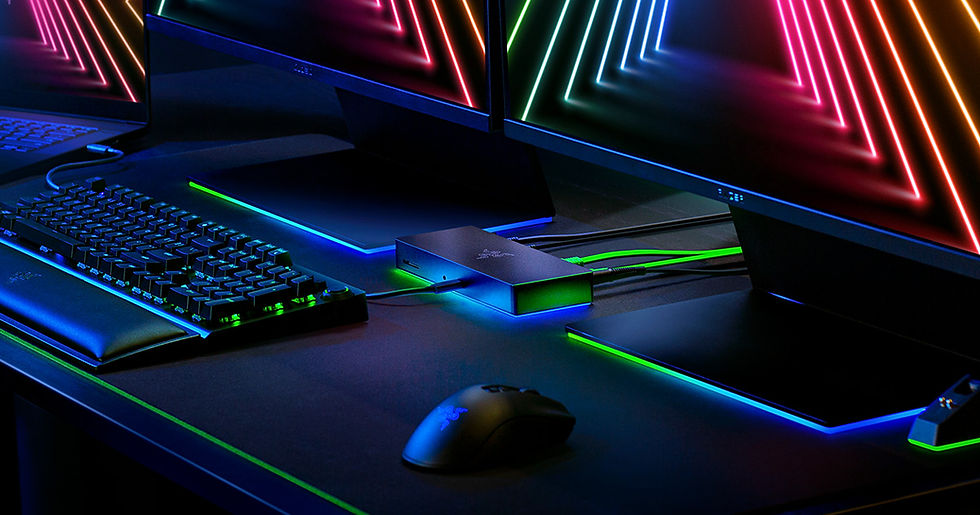
Gaming keyboards
Gaming mice
Mouse pads
Headsets
RGB lighting kits
Monitor arms
Cable management accessories
Gaming products represent one of the fastest-growing sectors of the computer hardware market.
Why China Leads Computer Hardware Manufacturing
China has developed one of the world's most sophisticated electronics manufacturing ecosystems.
Factories specialize in:
PCB manufacturing
Semiconductor packaging
SMT (Surface Mount Technology)
CNC machining
Aluminum fabrication
Plastic injection molding
Precision stamping
Electronics assembly
Automated optical inspection
Functional testing
This integrated manufacturing network allows companies to produce advanced computer hardware efficiently while maintaining competitive pricing.
Understanding Component Compatibility
Compatibility is one of the most important considerations when sourcing computer parts.
Before purchasing components, verify compatibility between:
Motherboards and processors
Memory and motherboard standards
Graphics cards and power supplies
CPU coolers and processor sockets
Cases and motherboard sizes
Storage interfaces
Power connectors
Cooling systems
Understanding compatibility reduces customer returns and warranty claims.
Choosing High-Quality Components
Reliable computer hardware depends on component quality.
Important considerations include:
Electronic component quality
Capacitor reliability
PCB quality
Cooling performance
Connector durability
Power efficiency
Manufacturing precision
Firmware stability
Higher-quality components generally result in better long-term reliability.
Choosing a Reliable Manufacturer
Not every supplier listed online owns manufacturing facilities.
Some companies operate as:
Trading companies
Export companies
Buying offices
Sourcing agents
Whenever possible, work directly with experienced manufacturers.
Ask suppliers:
Do you own your manufacturing facility?
How many years have you produced computer hardware?
Which countries do you currently export to?
Can factory audits be arranged?
Can production videos be provided?
Can third-party inspections be conducted?
Manufacturers with substantial export experience generally maintain stronger quality systems and more consistent production standards.
OEM and Private Label Manufacturing
Many Chinese factories specialize in OEM and ODM production.
Customization options include:
Company logos
Custom colors
Product branding
Packaging
User manuals
Retail boxes
RGB lighting effects
Firmware customization (where applicable)
Private-label manufacturing enables businesses to build recognizable computer hardware brands without investing in their own factories.
Product Certifications
Certification requirements vary depending on the product category and destination market.
Manufacturers may provide:
ISO 9001
ISO 14001
CE marking (where applicable)
FCC compliance (where applicable)
RoHS compliance
REACH compliance
UL certification for applicable products
Energy efficiency certifications
Always verify which certifications are legally required before importing products into your country.
Product Testing
Professional manufacturers commonly perform:
Electrical safety testing
Functional testing
Burn-in testing
Thermal testing
Compatibility testing
Noise testing
Durability testing
Performance benchmarking
Comprehensive testing helps improve reliability and minimize product failures.
Request Product Samples
Before placing production orders, request samples whenever possible.
Evaluate:
Build quality
Performance
Compatibility
Cooling efficiency
Noise levels
Packaging
Product finish
Overall reliability
Hands-on testing provides valuable insights before committing to large production runs.
Third-Party Quality Inspections
Professional inspections commonly verify:
Product appearance
Component quality
Packaging
Labels
Accessories
Quantity
Functionality
Electrical safety
Independent inspections reduce sourcing risks before shipment.
Understanding Pricing
Computer hardware pricing depends on numerous factors, including:
Electronic components
Semiconductor availability
Manufacturing complexity
Materials
Certifications
Product features
Production volume
Packaging
Comparing detailed specifications provides a far better basis for supplier evaluation than comparing prices alone.
Understanding Minimum Order Quantities (MOQs)
MOQs vary depending on:
Product category
Existing tooling
Custom branding
Packaging
Product complexity
Standard products generally have lower MOQs than fully customized OEM products.
Shipping Computer Parts from China
Most computer components are compact and relatively lightweight, making international shipping straightforward.
However, products containing batteries or sensitive electronic components require appropriate packaging and handling.
Sea Freight
Sea freight is recommended for:
Wholesale inventory
Retail stock
Distribution centers
Bulk commercial orders
Advantages include:
Lowest shipping costs
Suitable for palletized shipments
Ideal for high-volume orders
Air Freight
Air freight is suitable for:
Product samples
Urgent replenishment
Product launches
High-value electronics
Air freight significantly reduces delivery times compared with sea freight.
Shipping Products with Lithium Batteries
Some computer-related products contain lithium batteries, including:
UPS backup units
Wireless peripherals
Certain portable devices
These products may require specialized packaging, documentation, and transportation methods to comply with international shipping regulations.
Export Packaging
Manufacturers commonly use:
Anti-static bags
Foam protection
Retail boxes
Reinforced export cartons
Moisture protection
Export pallets
Proper packaging minimizes transportation damage and electrostatic discharge (ESD) risks.
Customs Duties and Import Taxes
Import costs typically include:
Customs duties
VAT or GST
Customs clearance fees
Port handling charges
Local transportation
Understanding your total landed cost before placing orders helps maximize profitability.
Why Consolidating Computer Part Orders Saves Money
Many businesses source different computer components from multiple manufacturers.
For example:
Computer cases from one factory
Power supplies from another supplier
Cooling systems from another manufacturer
Gaming accessories from another company
Networking equipment from another supplier
Retail packaging from another factory
Instead of arranging multiple international shipments, businesses can consolidate everything into one shipment.
CNXtrans provides a free China warehouse address where computer parts, gaming accessories, networking equipment, packaging materials, and products from multiple suppliers can be delivered, inspected, safely stored, consolidated, and shipped together internationally.
CNXtrans offers dependable sea freight, air freight, rail freight (where available), and comprehensive door-to-door shipping services to destinations worldwide. Consolidating purchases from multiple manufacturers helps reduce freight costs, simplify customs documentation, improve inventory management, and streamline international procurement.
Common Mistakes to Avoid
Choosing products based only on price
Low-cost computer hardware may use inferior electronic components that reduce performance, reliability, and lifespan.
Ignoring compatibility
Ensure all components are compatible with the intended platforms and industry standards before ordering.
Skipping quality inspections
Independent inspections help identify manufacturing defects before products leave the factory.
Ignoring certification requirements
Computer hardware often requires compliance with electrical safety and electromagnetic compatibility regulations.
Always verify applicable requirements before importing.
Underestimating warranty support
Reliable after-sales service and replacement parts availability can significantly improve customer satisfaction and reduce long-term costs.
Questions to Ask Before Ordering
Before placing an order, ask the manufacturer:
Which electronic components are used?
What testing procedures are performed?
Which certifications are available?
Can testing reports be provided?
Can third-party inspections be arranged?
Is OEM branding available?
What is the production lead time?
Which export markets do you currently serve?
Are firmware updates available where applicable?
Can replacement parts be supplied?
Building Long-Term Supplier Relationships
Many retailers, wholesalers, system integrators, IT distributors, gaming brands, computer stores, and private-label businesses establish long-term partnerships with trusted manufacturers.
Benefits include:
Better pricing
Consistent product quality
Priority production scheduling
Easier customization
Stable supply chains
Faster communication
Continuous product innovation
Reliable technical support
Strong supplier relationships help businesses remain competitive in the rapidly evolving computer hardware industry.
Is Buying Computer Parts from China Worth It?
For retailers, wholesalers, distributors, system builders, gaming brands, IT companies, eCommerce businesses, and private-label manufacturers, buying computer parts directly from China offers outstanding opportunities to reduce sourcing costs while accessing one of the world's most advanced electronics manufacturing industries. Chinese factories produce everything from computer cases and power supplies to SSDs, memory modules, cooling systems, networking equipment, gaming accessories, and countless other PC components for virtually every market segment.
Successful importing depends on selecting experienced manufacturers, choosing high-quality components, verifying certifications, requesting product samples, conducting independent quality inspections, and carefully planning international logistics. Because computer hardware requires precision engineering and long-term reliability, manufacturing quality, compatibility, performance, and technical support should always take priority over simply choosing the lowest-priced supplier.
Working with an experienced logistics partner such as CNXtrans can greatly simplify the sourcing process. By providing a free China warehouse where computer parts, gaming accessories, networking equipment, packaging materials, and products from multiple manufacturers can be consolidated before shipment, together with dependable sea freight, air freight, rail freight (where available), and comprehensive door-to-door shipping services, CNXtrans helps businesses reduce logistics costs, streamline customs procedures, and efficiently manage international procurement.
Whether you are launching a private-label PC hardware brand, supplying computer retailers, building gaming systems, operating an online electronics store, or expanding an international distribution network, buying computer parts directly from China can provide substantial long-term savings, excellent customization opportunities, access to world-class manufacturing expertise, and a lasting competitive advantage when supported by careful supplier selection and professional logistics management.


Comments